
We need more stories
Even the ones told in languages we cannot understand

I have never been a scriptural literalist. I was a comp lit major and I receive the Hebrew and Christian stories, myths, poems, hymns, and poems as expressions of truths rather than facts. As one of my seminary profs would say, you have to break a lot to make it all fit together. As a gay woman, I have certainly seen that play out both ideologically and materially. So many people have died because others could not handle the invitations offered by the contradictions inherent in the collection.
Anyway, when I was teaching the Christian testament to churchgoers, I would point out that the full gospel titles are The Good News of Jesus Christ According to (Matthew, Mark, Luke, John). And, the existence of multiple versions of good news suggests room for even more, even a request for more. I would ask people what their lived good news of encountering Jesus would be. Or, more in line with the traditioning process of the canonical gospels, wherein the books were not written by the named individuals but their whole communities, what would the good news of our community be?
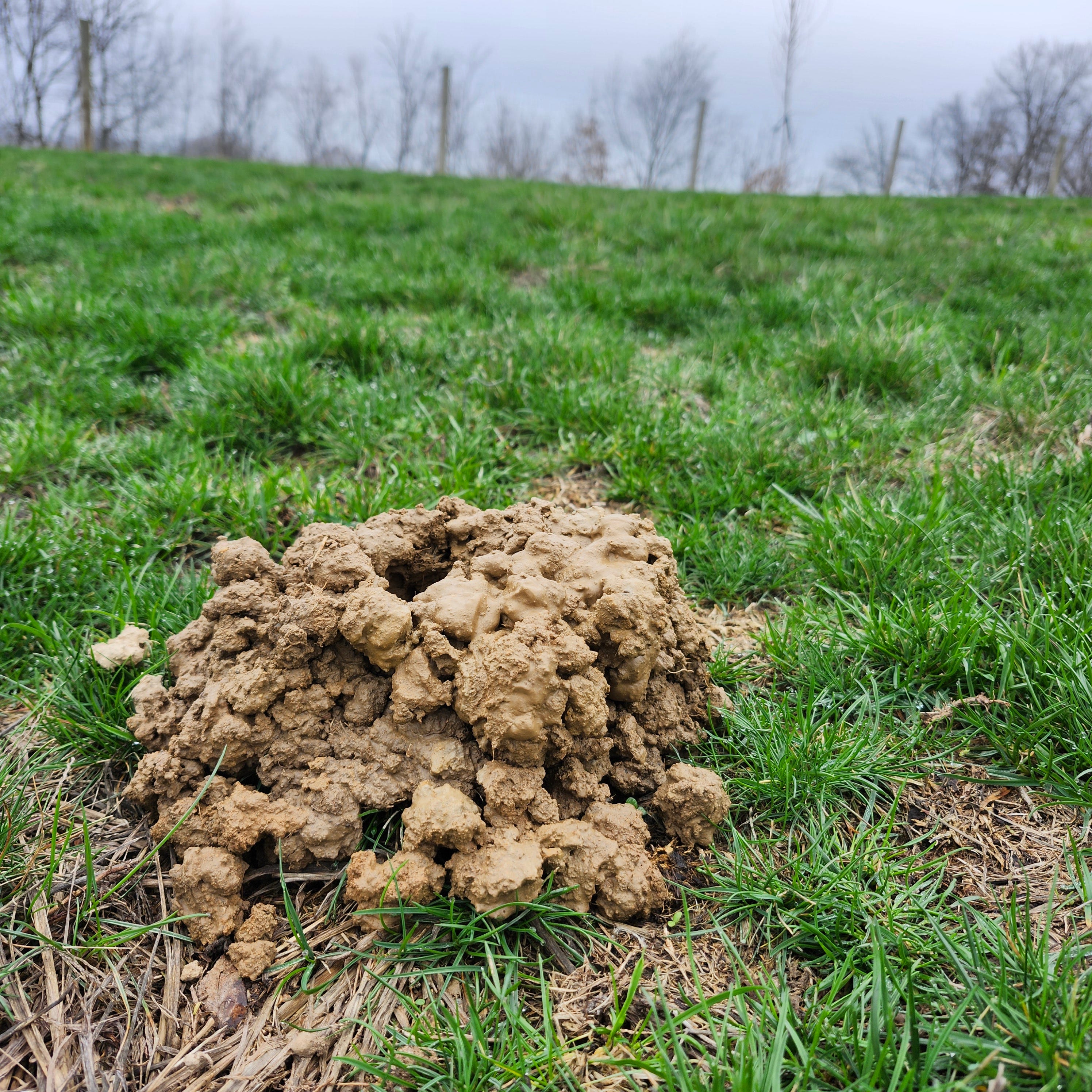
Today I received some Good News of Creation According to the Soil. The crawdads are digging their way back to the surface from under the grass. Earth-moving land lobsters are as imaginative and wild as the deranged goat in Revelations, at least to me.
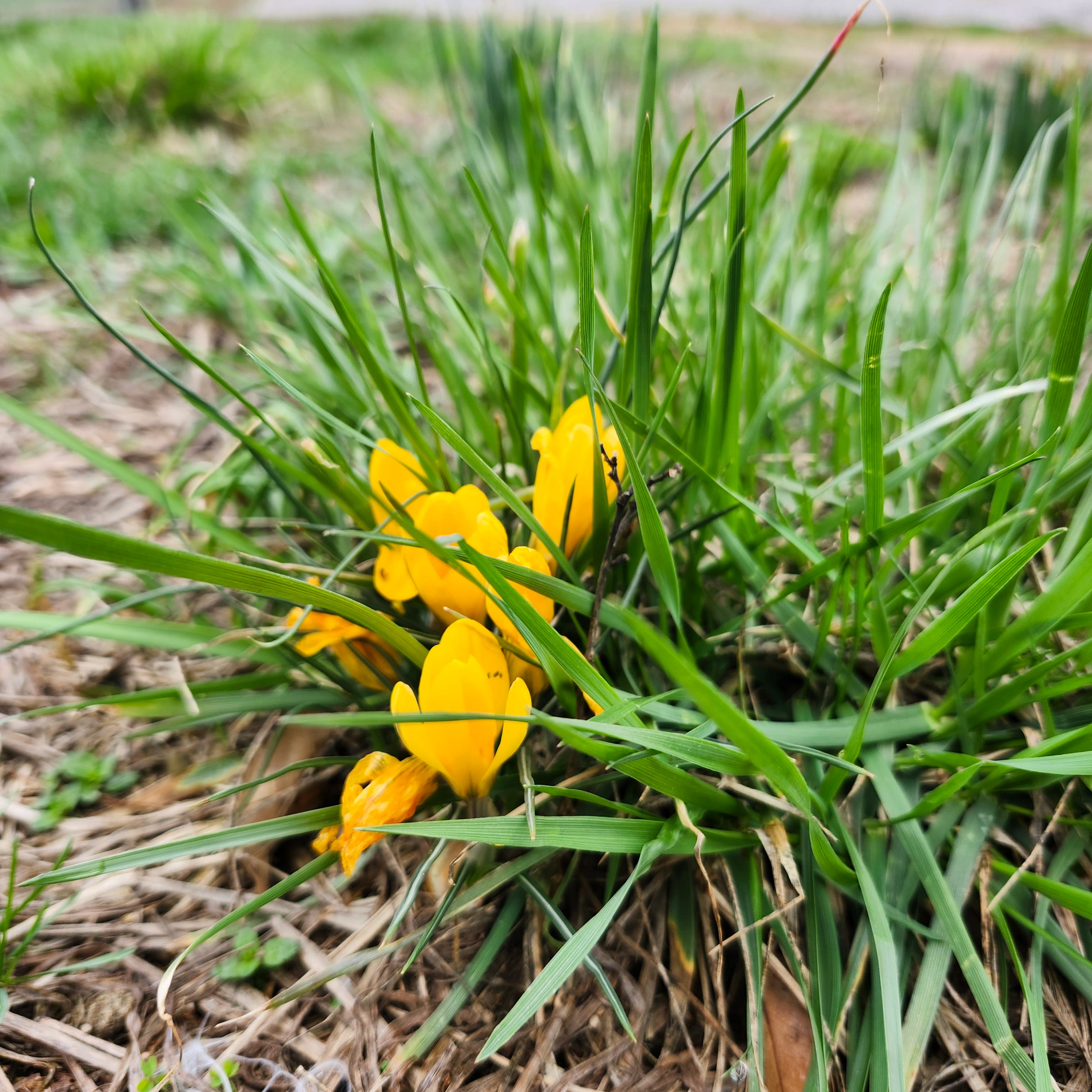
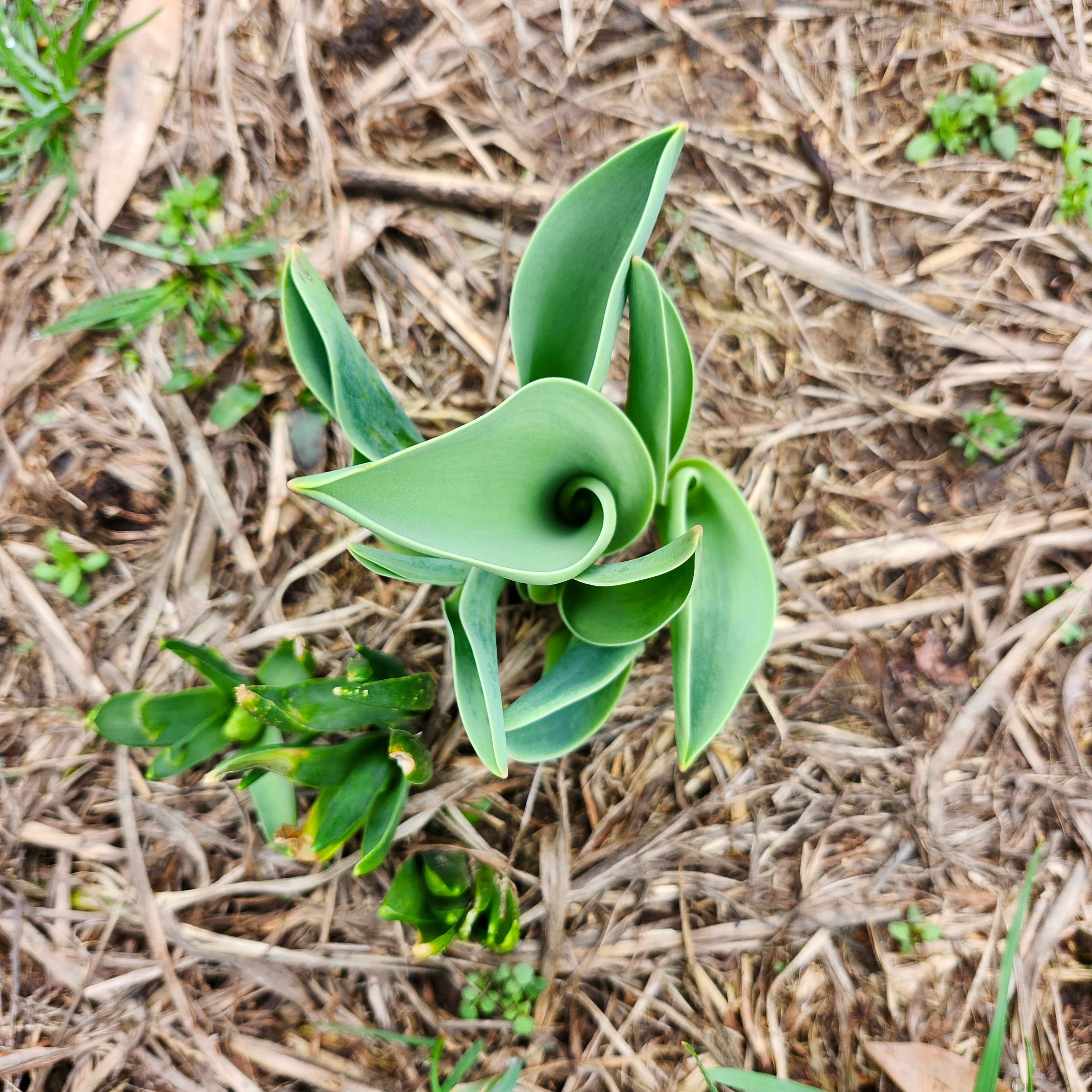
And despite being driven over a bunch and being in iffy soil with no tending, the bulbs I planted two years ago are also reaching out to the sun and air.
Just as the Biblical texts encompass times of ecological collapse and harrowing human cruelty, yet still says we have reason for and tools to build hope, these more-than-human neighbors on the land I steward point toward life even as humanity rains down military death and prefers rivers of data to that of clean water.
Good news does not mean rescue or fix or resolution. Nothing in the Bible promises human experience without pain or a divorce from reality. It requires an honest assessment of our material realities. In Jesus’s time that was Roman imperialism, in ours it is Trumpian fascism. And then it asks us to acknowledge what we already know: In order to all survive, we have to be modest in our wants, generous in our giving, and respectful of others’ business, and go into the wilderness to make sure ours are not the only voices we hear.
When the prophets in scripture share their good news, their audience is other humans. They speak the language of the people to the people and for the people, even if the people don’t want to hear any part of their message.
I do not know what the crawdads or bulbs are saying. I do not think they are saying it to me; they have much nearer conversation partners in the crumb of soil and movement of worms. The good news of the soil around my home is that I am not the main character and there are some parts of the story being told on this planet that I am not meant to make fit. I am simply grateful to know that they are there, that they are alive, and I am lucky enough to be alive with them.
I have six niblings ranging from grade school to graduate school aged. One makes movies and another has a radio show. They are cooler than me.
Rocio Guay is a filmmaker from the Town of Binghamton, New York, currently attending the Feirstein Graduate School of Cinema. She has made both short and feature-length films, with a perspective shaped by her experience growing up Asian-American and transgender in Upstate New York.
Hopefully Good Music with Takumi Guay
Here is some good fiction I’ve recently read:
Adrift: A Climate Crisis Thriller About Memory and Survival by Lisa Brideau
The Alternatives by Caoilinn Hughes
Death of the Author by Nnedi Okorafor
Sisters in the Wind by Angeline Boulley
Old School Indian by Aaron John Curtis
Palaver by Bryan Washington